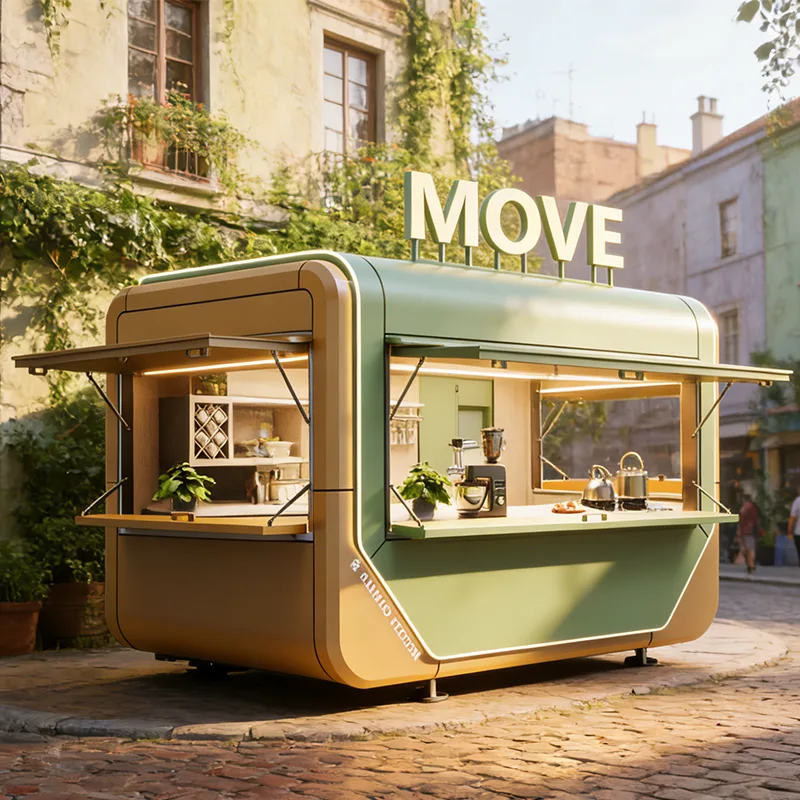
What Is a Mobile Catering Unit and Why Is It Transforming Modern Food Businesses
The food service industry is evolving rapidly, and flexibility has become a major advantage for entrepreneurs and established brands alike. A Mobile Catering Unit offers a powerful solution that combines mobility, efficiency, and professional kitchen capability in one compact structure. Whether used for street food, festivals, construction sites, emergency response, or corporate catering, mobile catering solutions provide businesses with the ability to serve high-quality food anywhere.
This comprehensive guide explores everything you need to know about mobile catering units — from design, advantages, and applications to equipment selection and investment benefits. You will also learn how manufacturers such as Huihong are supporting the global demand for high-quality mobile catering solutions.
Table of Contents
- What Is a Mobile Catering Unit?
- Why Are Mobile Catering Units Becoming So Popular?
- Key Features of a Professional Mobile Catering Unit
- Industries That Use Mobile Catering Units
- Mobile Catering Unit vs Traditional Restaurant
- Types of Mobile Catering Units
- Essential Equipment Inside a Mobile Catering Unit
- How to Choose the Right Mobile Catering Unit
- Design and Customization Options
- Business Benefits of Mobile Catering Units
- Maintenance and Hygiene Considerations
- Future Trends in Mobile Food Service
- Frequently Asked Questions
What Is a Mobile Catering Unit?
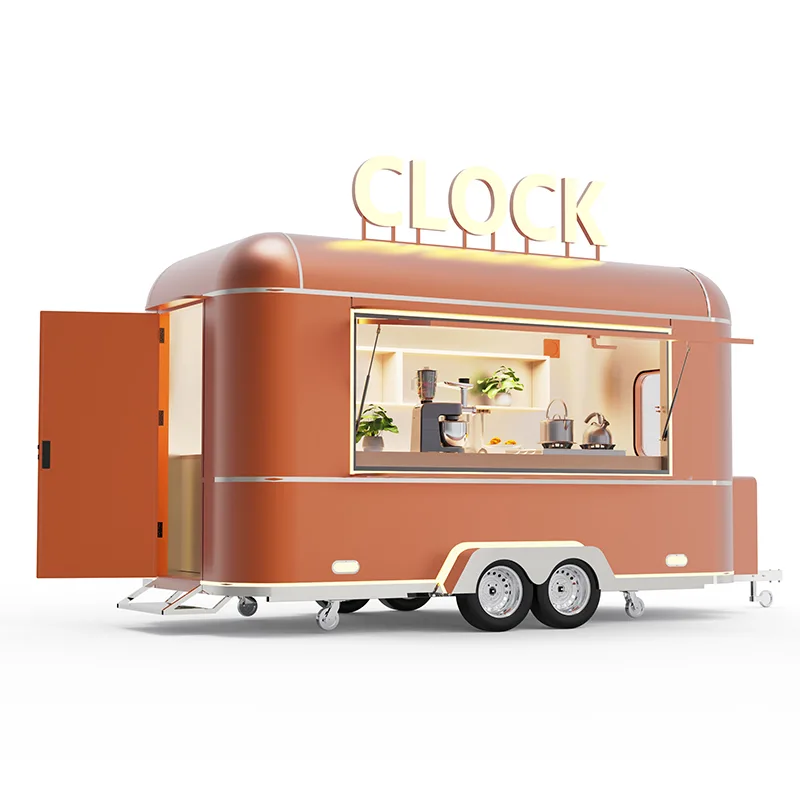
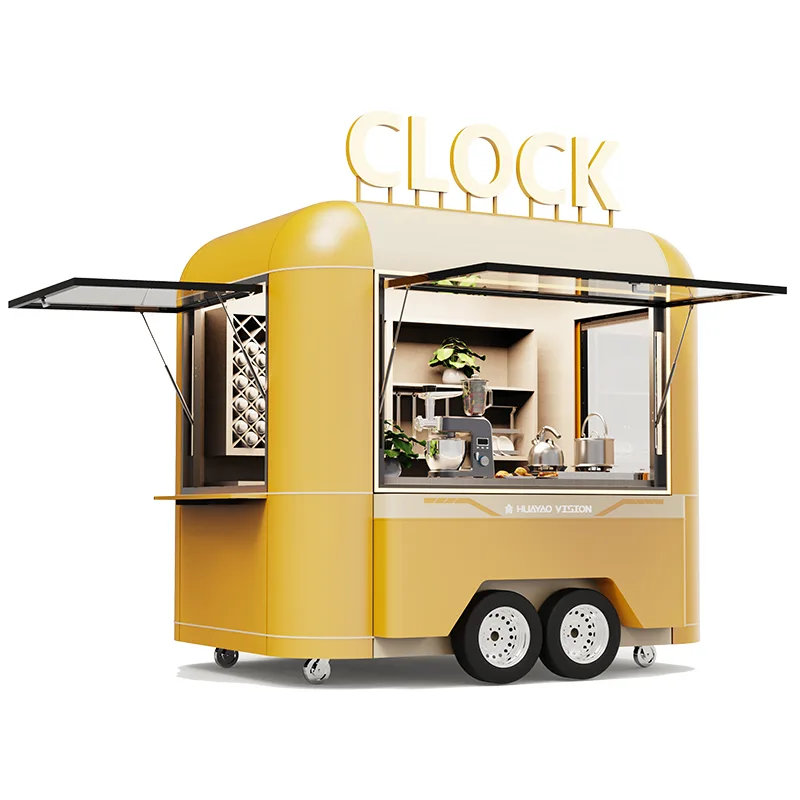
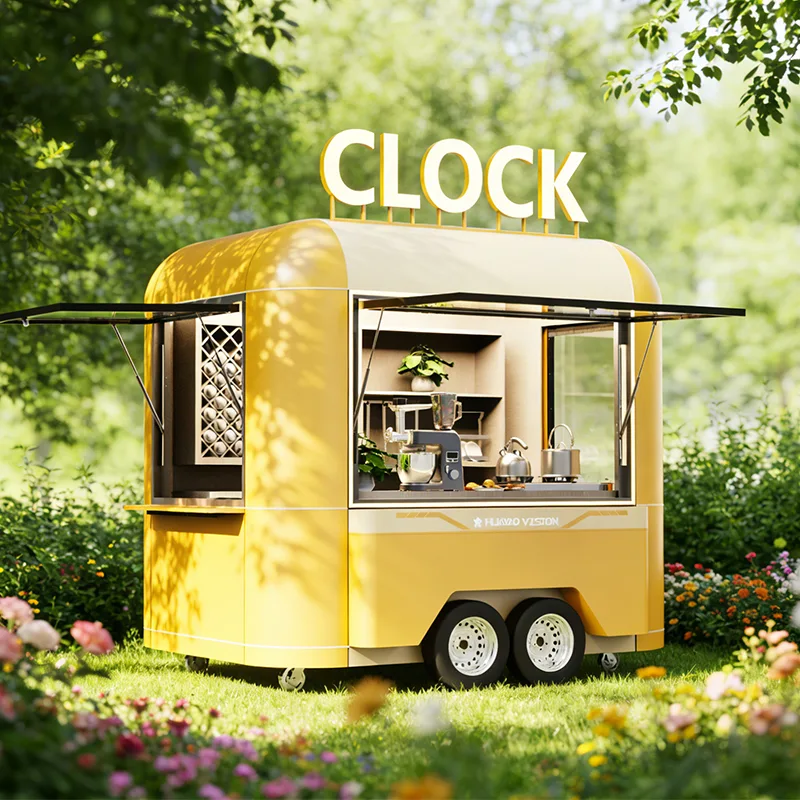
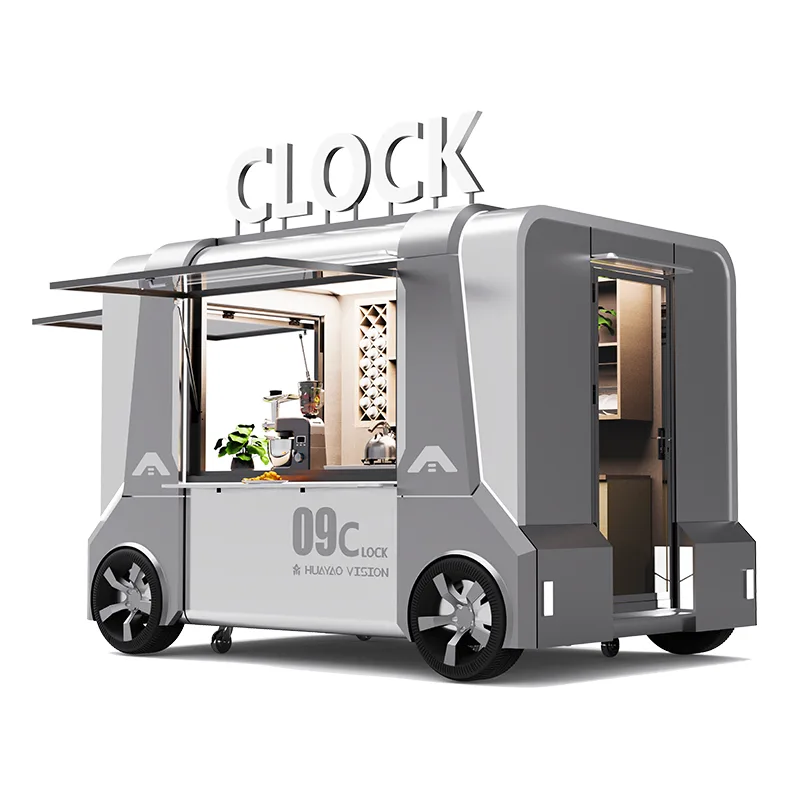
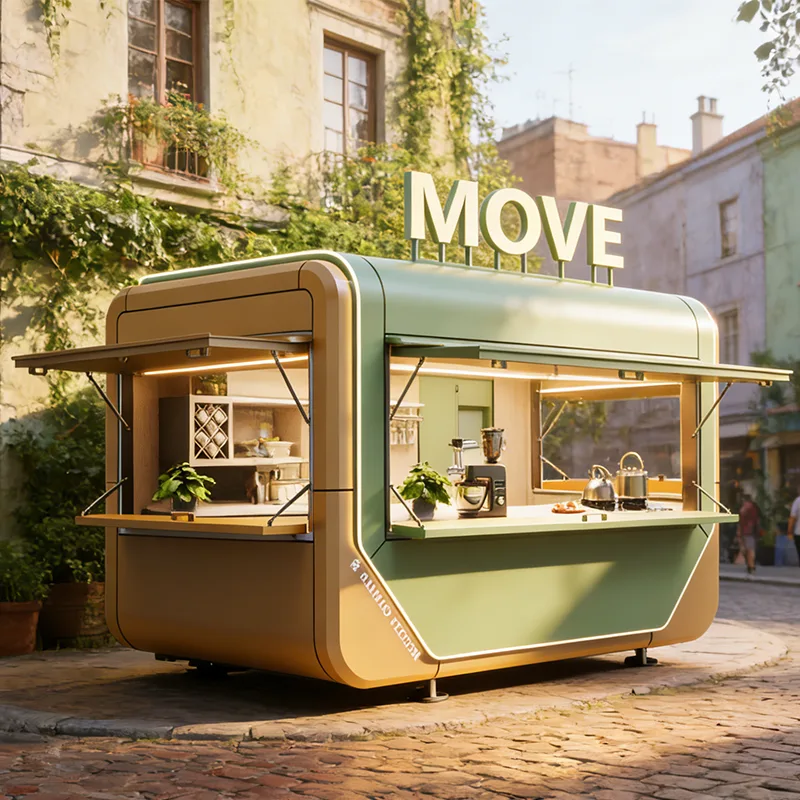
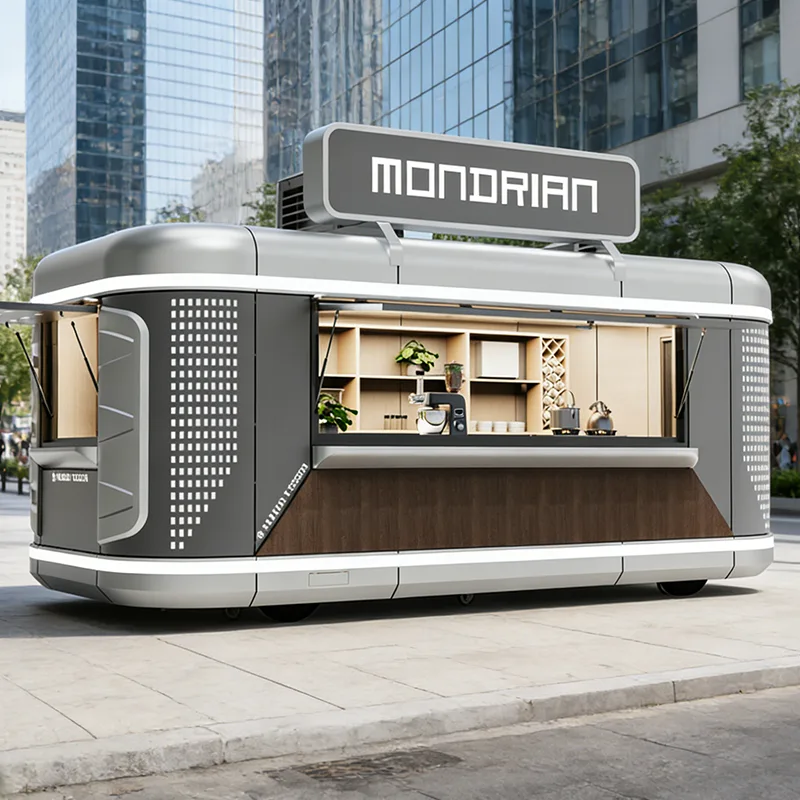
A Mobile Catering Unit is a portable kitchen facility designed to prepare, cook, store, and serve food in various locations. Unlike traditional restaurants that operate from fixed buildings, these units allow businesses to bring food services directly to customers.
Modern mobile catering units are engineered with professional kitchen systems, food safety features, ventilation systems, and energy-efficient equipment. They can operate independently in outdoor environments such as festivals, construction sites, sporting events, and disaster relief operations.
Manufacturers like Huihong provide durable and customizable mobile catering systems designed to meet international food service requirements.
Why Are Mobile Catering Units Becoming So Popular?
Over the last decade, the global demand for mobile food services has grown dramatically. Consumers increasingly seek convenience, variety, and unique dining experiences, while businesses aim to reduce operational costs and reach wider audiences.
The key reasons behind the popularity include:
- Lower startup costs compared to traditional restaurants
- Flexibility to operate in multiple locations
- Fast business setup
- Access to high-traffic events and locations
- Scalability for growing businesses
- Opportunity to test new food concepts
For entrepreneurs entering the food industry, a mobile catering unit provides a practical way to launch a brand with lower financial risk while still delivering professional food service.
Key Features of a Professional Mobile Catering Unit
Modern mobile catering units are far more advanced than simple food trailers. High-quality systems include integrated infrastructure to ensure safety, efficiency, and performance.
| Feature | Description |
|---|---|
| Compact Kitchen Layout | Optimized workspace design to maximize productivity in limited space. |
| Ventilation System | Professional exhaust and airflow systems to manage heat and smoke. |
| Food Storage | Refrigerators, freezers, and dry storage for ingredient safety. |
| Power Supply | Compatible with generators, electrical connections, or hybrid power systems. |
| Water System | Integrated clean water tanks and wastewater tanks. |
| Durable Materials | Stainless steel surfaces for hygiene and durability. |
Companies like Huihong design their mobile units to comply with strict sanitation and safety standards used in international food industries.
Industries That Use Mobile Catering Units
Mobile catering units are used across a wide range of industries beyond street food vendors. Their versatility allows them to serve both commercial and institutional purposes.
Common industries include:
- Street food and food truck businesses
- Outdoor festivals and concerts
- Construction site catering
- Mining and industrial camps
- Military and defense operations
- Disaster relief and emergency response
- Film production catering
- Corporate events
- Sports tournaments
Because these environments often lack permanent kitchen infrastructure, mobile catering units provide an efficient alternative.
Mobile Catering Unit vs Traditional Restaurant
Many entrepreneurs compare mobile catering units with opening a traditional restaurant. Each option has its own advantages depending on business goals.
| Factor | Mobile Catering Unit | Traditional Restaurant |
|---|---|---|
| Startup Cost | Low to medium | High |
| Location Flexibility | Very high | Fixed |
| Setup Time | Fast | Long |
| Customer Reach | Multiple locations | Single area |
| Operational Cost | Lower | Higher |
For startups and expanding brands, mobile units offer a strategic advantage by allowing market testing before committing to large restaurant investments.
Types of Mobile Catering Units
There are several types of mobile catering units designed to suit different operational needs.
- Food Trucks – Fully motorized kitchen vehicles
- Food Trailers – Towable units attached to vehicles
- Container Kitchens – Modified shipping containers
- Portable Catering Modules – Temporary mobile kitchen structures
- Event Catering Units – Designed for high-volume event service
Manufacturers like Huihong provide customizable solutions tailored to each operational scenario.
Essential Equipment Inside a Mobile Catering Unit
The equipment inside a mobile catering unit determines its cooking capability and operational efficiency.
Common kitchen equipment includes:
- Commercial grills
- Deep fryers
- Flat top griddles
- Refrigeration units
- Food warming cabinets
- Microwave ovens
- Stainless preparation tables
- Handwashing sinks
- Water filtration systems
The final equipment configuration usually depends on the menu being served.
How to Choose the Right Mobile Catering Unit
Choosing the right mobile catering unit requires careful planning. Businesses must evaluate operational needs, food types, and service volume.
Important considerations include:
- Menu complexity
- Expected customer volume
- Mobility requirements
- Local food safety regulations
- Power and water supply needs
- Available budget
Working with experienced manufacturers such as Huihong ensures that the unit design aligns with operational and regulatory requirements.
Design and Customization Options
Customization is one of the most important advantages of modern mobile catering units. Businesses can tailor their unit to match brand identity and operational needs.
Customization options include:
- Exterior branding and graphics
- Kitchen equipment layout
- Lighting systems
- Serving window configurations
- Generator integration
- Advanced ventilation systems
These customization features help businesses create unique and recognizable food service concepts.
Business Benefits of Mobile Catering Units
Mobile catering units offer significant advantages for both new entrepreneurs and established restaurant brands.
- Reduced operating costs
- Faster return on investment
- Ability to serve multiple markets
- Lower financial risk
- High marketing visibility
- Event-based revenue opportunities
For many food brands, mobile catering units act as both revenue generators and powerful marketing platforms.
Maintenance and Hygiene Considerations
Maintaining high hygiene standards is essential for mobile food operations. Proper maintenance ensures food safety, regulatory compliance, and long equipment lifespan.
Best practices include:
- Daily cleaning of food preparation surfaces
- Regular ventilation system inspections
- Sanitization of water tanks
- Routine equipment servicing
- Proper food storage management
Units built with stainless steel interiors, such as those manufactured by Huihong, simplify sanitation procedures and help maintain strict food safety standards.
Future Trends in Mobile Food Service
The future of mobile catering units looks extremely promising as technology continues to transform the food industry.
Emerging trends include:
- Smart kitchen monitoring systems
- Energy-efficient cooking equipment
- Electric mobile kitchens
- Modular catering units
- Automated cooking technologies
These innovations will further increase efficiency and sustainability in mobile food service operations.
Frequently Asked Questions
1. What is the purpose of a mobile catering unit?
A mobile catering unit allows businesses to prepare and serve food in different locations without relying on a permanent kitchen facility.
2. How much does a mobile catering unit cost?
The cost varies depending on size, equipment, and customization. Basic units are more affordable, while fully equipped professional kitchens require larger investments.
3. Are mobile catering units profitable?
Yes. Because startup and operational costs are lower than traditional restaurants, many mobile catering businesses achieve faster returns on investment.
4. What foods can be served from a mobile catering unit?
Almost any type of food can be served, including burgers, barbecue, street snacks, desserts, coffee, and full meal catering.
5. How do I start a mobile catering business?
Starting a mobile catering business involves selecting a suitable unit, designing the kitchen layout, obtaining local permits, and developing a strong menu concept.
Final Thoughts
The mobile food industry continues to expand globally as entrepreneurs look for flexible and cost-effective ways to deliver high-quality dining experiences. A well-designed Mobile Catering Unit combines professional kitchen capabilities with the freedom to operate in diverse environments.
With reliable manufacturers such as Huihong offering advanced and customizable solutions, businesses can confidently invest in mobile food infrastructure that supports growth, innovation, and operational efficiency.
If you are looking for a professional mobile catering solution designed for performance, durability, and food safety, now is the perfect time to explore your options and contact us to discover how the right mobile catering unit can transform your food service business.
Related News
- Container Courtyard House: A Practical Way to Create Flexible Outdoor Living Space
- What Is a Mobile Catering Unit and How Can It Transform Modern Food Service Businesses
- What Is a Mobile Beverage Trailer and Why Is It the Smartest Investment for Modern Beverage Businesses
- What Makes a Mobile Food Truck the Smartest Investment for Modern Street Food Entrepreneurs
- The advantages of Food Trailer.
- The eight functions of Food Trailer.
Leave me a message